Tips for Creating a Productive Home Office Environment
Creating a productive home office environment is essential for anyone working remotely or running a business from home. With the right setup, you can improve your focus, efficiency, and overall well-being. In this post, we’ll explore practical tips and ideas to help you design a workspace that encourages productivity while keeping comfort and organisation in mind.
Why a Dedicated Home Office Space Matters
A designated work area helps create a clear divide between professional tasks and personal life. It reduces distractions and signals to your brain that it’s time to focus. Even if space is limited, carving out a dedicated nook for work can make a big difference.
Choosing the Right Location
Consider Natural Light
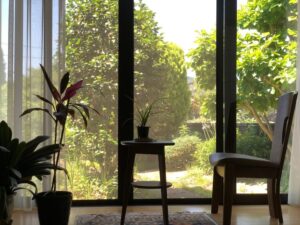
Select a spot with plenty of natural daylight. Sunlight boosts mood and energy, making it easier to stay alert throughout the day. If natural light is limited, use bright, adjustable lamps to reduce eye strain.
Minimise Distractions
Pick a quiet corner away from high-traffic areas in your home. This will help you maintain concentration during calls and deep work sessions. Noise-cancelling headphones can also be a helpful addition if distractions are unavoidable.
Furniture and Ergonomics
Invest in a Comfortable Chair
A good office chair that supports your posture is crucial to prevent discomfort and injury. Choose one with adjustable height, lumbar support, and comfortable padding.
Desk Selection
Your desk should suit the type of work you do. A height that allows your forearms to rest parallel to the floor is ideal. Consider a standing desk or a desk converter so you can alternate between sitting and standing.
Organise Tools Within Reach
Keep frequently used items like your computer, notebook, pens, and phone within easy reach to minimise interruptions.
Organising Your Workspace
Declutter Regularly
A tidy desk helps reduce stress and distractions. Use drawers, shelves, or organisers to keep documents and stationery neatly stored away.
Cable Management
Use cable clips or trays to keep wires organised and off the floor. This reduces visual clutter and potential hazards.
Personalise Your Space
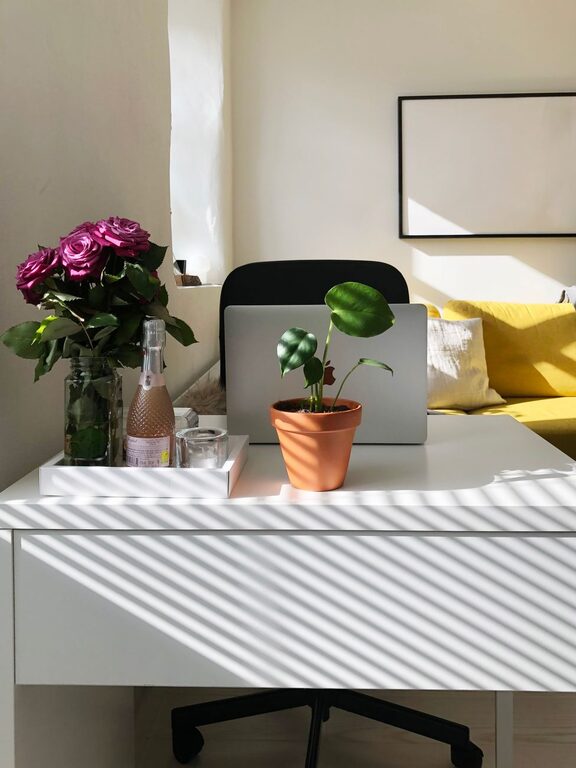
Adding a few personal touches such as plants, photos, or art can make your workspace more inviting and motivating without causing distraction.
Technology Tips
Reliable Internet Connection
Ensure your internet speed and stability support video calls and file transfers smoothly. Consider upgrading your router or using a wired connection for better performance.
Screen Setup
Position your monitor at eye level and about an arm’s length away to avoid neck strain and eye fatigue. Dual monitors can increase productivity if your work involves multitasking.
Backup and Security
Regularly back up your work and use security software to protect sensitive data.
Daily Habits to Boost Productivity
Establish a Routine
Create a consistent start and finish time. This helps your mind switch into “work mode” and creates structure in your day.
Take Breaks
Use techniques like the Pomodoro method—working for 25 minutes, then taking a 5-minute break—to maintain focus and prevent burnout.
Stay Hydrated and Move
Keep a water bottle at your desk and incorporate stretches or short walks to keep energy levels up throughout the day.
Minimise Multitasking
Focusing on one task at a time leads to higher quality work and faster completion.
Lighting and Ambience
Use Adjustable Lighting
Layer your lighting with a combination of natural light, overhead lights, and task lamps. Avoid harsh fluorescent lighting which can cause eye strain.
Control Temperature
Ensure your workspace is well ventilated and at a comfortable temperature to keep you alert and comfortable.
Reduce Noise
If possible, use rugs, curtains, or acoustic panels to absorb background noise. White noise machines or apps can also help mask distracting sounds.
Final Thoughts
A productive home office requires more than just a desk and computer. By carefully selecting your workspace, investing in ergonomic furniture, keeping organised, and adopting healthy work habits, you can create an environment that supports your focus and well-being. Start small and make gradual improvements to find what works best for you. The right setup can transform your home working experience, making your day more enjoyable and your work more efficient.