Tips for Creating a Relaxing and Productive Home Workspace
Creating a home workspace that is both relaxing and productive can make a significant difference to your day-to-day work experience. Whether you work remotely full-time or occasionally need a spot to focus, having a dedicated area that helps you concentrate while reducing stress is essential. This guide offers practical tips to design a workspace that promotes efficiency and well-being.
Why a Good Home Workspace Matters
A well-organised workspace influences how effectively you work and how you feel throughout the day. Without a clear boundary between work and relaxation, it’s easy to become distracted or overwhelmed. Having a dedicated, comfortable space helps you mentally switch into work mode and stay focused.
Choose the Right Location
Find a Quiet Spot
Select a corner or room where you won’t be disturbed by household noise or foot traffic. If possible, choose a space with a door to keep distractions out.
Natural Light is Key
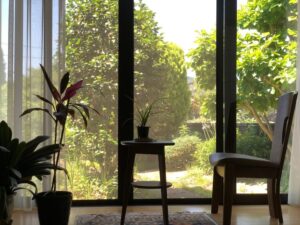
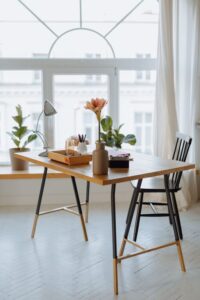
Try to position your desk near a window. Natural light improves mood, reduces eye strain, and increases alertness. If natural light is limited, invest in a good quality daylight bulb to mimic its effect.
Invest in Comfortable and Functional Furniture
Ergonomic Chair and Desk
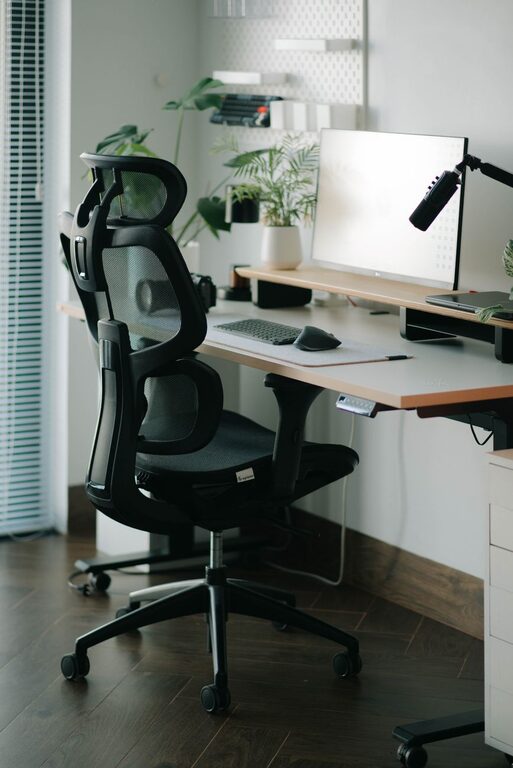
Comfortable seating is crucial for long work hours. An ergonomic chair that supports your lower back will prevent pain and fatigue. Your desk should be at the right height to keep your arms parallel to the floor, reducing strain on shoulders and wrists.
Desk Organisation
Choose a desk with enough surface area for your computer, notebook, and other essentials, but try to avoid overcrowding. Use organisers, trays, or drawers to keep items tidy.
Personalise Without Cluttering
Adding personal touches makes your workspace more inviting. A small plant, a favourite mug, or art you love can boost your mood. However, be careful not to overcrowd the space, as clutter can increase stress and reduce productivity.
Manage Your Technology Wisely
Reliable Equipment
Ensure your computer, printer, webcam, and other gadgets work smoothly. Frustration over malfunctioning tech wastes time and patience.
Cable Management
Use clips or under-desk trays to keep wires organised and out of the way. A clean setup feels less chaotic and helps prevent accidents.
Optimise Lighting and Ambience
Besides natural light, consider a desk lamp with adjustable brightness for late work sessions. Soft, warm lighting can create a soothing atmosphere, while brighter white light supports alertness.
Background sounds can also affect focus. Some find instrumental music or white noise helpful, while others prefer silence. Experiment to see what suits you best.
Encourage Good Habits and Breaks
Time Management
Use timers or apps to divide work into manageable chunks, such as the popular ‘Pomodoro Technique’ (25 minutes work, followed by a 5-minute break). This helps maintain concentration and reduces fatigue.
Incorporate Movement
Taking short walks or stretching periodically can relieve physical tension. Consider a standing desk or adjustable desk converter to alternate between sitting and standing.
Keep It Clean and Clutter-Free
Set aside a few minutes each day to tidy your workspace. Clear surfaces not only improve focus but also reduce stress. Regularly declutter and file documents or digital files to maintain order.
Add Plants for Calm and Clean Air
Indoor plants bring a touch of nature inside and can improve air quality. Easy-care options like succulents, spider plants, or peace lilies add greenery without much effort.
Create Boundaries
When your workspace is within your living area, it’s important to set clear boundaries. Let family members or housemates know your work hours and when you should not be disturbed. At the end of the day, tidy your area and ‘switch off’ your workspace to help transition to personal time.
—
By following these tips, you can create a home workspace that not only supports your professional goals but also promotes a calm and pleasant environment. A thoughtful balance between comfort, organisation, and personal style makes working from home more enjoyable and effective.