Tips for Creating a Productive Home Office Environment
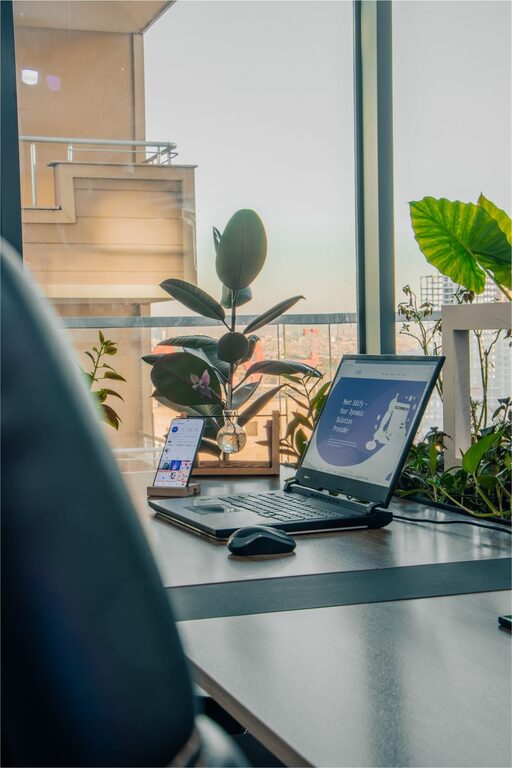
Working from home has become a common part of many people’s lives. Creating a productive home office environment is essential to maintain focus, stay motivated, and separate work from personal life. Whether you are new to remote working or looking to improve your current setup, a well-planned workspace can make all the difference.
Here are some helpful tips to transform your home office into a productive and comfortable environment.
Choose the Right Location
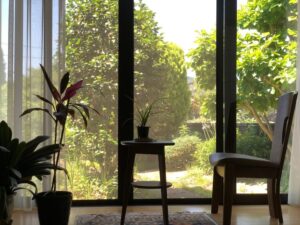
The first step in creating a productive home office is selecting the best spot in your home. Ideally, choose a quiet area with minimal distractions and good natural light. This could be a spare room, a corner of your living room, or even a converted nook.
Consider these factors when choosing your space:
– Distance from noisy areas like the kitchen or TV
– Access to natural light to reduce eye strain and lift mood
– Availability of power outlets for your electronic devices
– Room for storage and furniture layout
Invest in Ergonomic Furniture
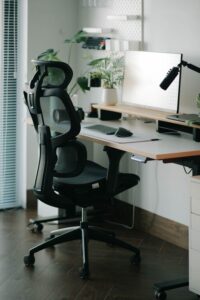
Comfort plays a crucial role in productivity. An ergonomic chair and a desk at the right height can help prevent aches, pains, and fatigue.
Tips for ergonomic setup:
– Use a chair that supports your lower back
– Keep your feet flat on the floor or on a footrest
– Position your monitor at eye level to avoid neck strain
– Keep your keyboard and mouse close so your arms stay relaxed
Declutter and Organise Your Workspace
A cluttered desk can quickly become a distraction. Keep your workspace tidy by organising your tools and materials.
Useful organisation tips:
– Use desk organisers, trays and drawers for stationary and papers
– Keep only essential items on your desk
– Use cable management solutions to avoid tangled wires
– Regularly clear out unnecessary items
Manage Lighting Effectively
Good lighting enhances focus and reduces fatigue. Maximise natural light if possible, but also consider artificial lighting.
Lighting suggestions:
– Position your desk near a window for daylight
– Use blinds or curtains to control glare
– Opt for a desk lamp with adjustable brightness and colour temperature
– Avoid harsh or flickering lights
Minimise Distractions
Home environments come with potential interruptions. Set boundaries to create a focused atmosphere.
How to reduce distractions:
– Communicate your work hours to family or housemates
– Use noise-cancelling headphones or soft background music if preferred
– Turn off non-work-related notifications on your devices
– Keep your phone on silent or in another room during deep work periods
Personalise Your Space
Adding personal touches can make your workspace more inviting and motivating.
Ideas for personalisation:
– Display a few favourite photos or artwork
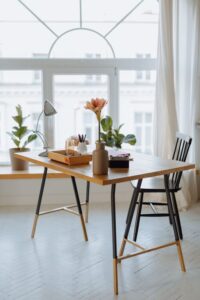
– Add plants to bring a bit of nature indoors
– Use colourful stationery or desk accessories that inspire you
– Incorporate scents, like a small candle or air freshener, but avoid overpowering smells
Plan Your Day with Clear Goals
Having a clear plan can improve your time management and reduce stress.
Tips for effective daily planning:
– Start your day by listing tasks and priorities
– Use time-blocking methods to allocate periods for focused work and breaks
– Schedule regular short breaks to rest your eyes and stretch
– Review your progress at the end of the day to prepare for tomorrow
Ensure Reliable Technology
Having dependable technology helps avoid frustration and downtime.
Technology checklist:
– Use a fast and stable internet connection
– Keep your computer and software updated
– Backup important files regularly
– Invest in accessories such as external monitors, headphones or printers if needed
Encourage Movement and Breaks
Avoid sitting for long periods by moving regularly.
Ways to stay active:
– Stand up every hour to stretch or walk around
– Consider an adjustable standing desk
– Try simple desk exercises or stretches
– Use break time to get some fresh air outside
—
Creating a productive home office environment is about balancing comfort, organisation, and focus. By selecting the right space, investing in ergonomic furniture, managing distractions, and maintaining daily routines, you can set yourself up for success working from home. Remember, small changes can make a significant difference to your productivity and well-being.