Tips for Creating a Relaxing and Productive Home Office Environment
Creating a home office that is both relaxing and productive can make a significant difference to your work experience. Whether you work remotely full-time or occasionally need a quiet space to focus, setting up an environment that supports your needs is key. Here are some helpful tips to transform your home office into a space that inspires both calm and efficiency.
1. Choose the Right Location
Selecting the best spot for your home office is the first step. Ideally, pick a quiet area with minimal distractions. If possible, avoid high-traffic zones like the kitchen or living room.
Consider natural light
A room with plenty of natural light can improve your mood and help you feel more energetic. Position your desk near a window to make the most of daylight, but be mindful of glare on your screen.
Avoid noisy spaces
Try to locate your office in a room that can be closed off to reduce noise. If this isn’t possible, noise-cancelling headphones can be a great investment.
2. Invest in Comfortable and Functional Furniture
Your furniture can impact both your comfort and productivity.
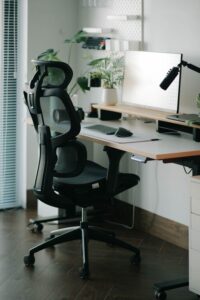
Ergonomic chair and desk
Choose an adjustable office chair that supports your back well. The desk height should allow your arms to rest comfortably and keep your screen at eye level to prevent neck strain.
Declutter your space
A tidy desk can encourage focus. Use drawers or shelves to store office supplies out of sight and keep only essential items on your desktop.
3. Personalise Your Workspace Thoughtfully
Personal touches can make your office feel inviting but try to keep the decoration balanced so it doesn’t become distracting.
Use calming colours
Soft blues, greens, or neutrals often create a soothing atmosphere. Avoid overly bright or harsh colours that may cause visual fatigue.
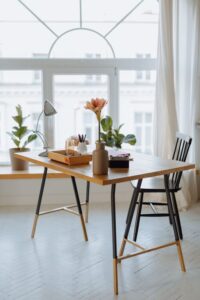
Add plants
Indoor plants not only improve air quality but also add a touch of nature. They can reduce stress and increase productivity.
4. Improve Lighting
Good lighting reduces eye strain and enhances your overall work environment.
Layer your lighting
Combine natural light with task lighting such as a desk lamp. Adjustable lamps allow you to direct light where it’s needed most.
Avoid glare and shadows
Position screens to avoid reflections and ensure your space is evenly lit.
5. Keep Technology Organised and Up to Date
Technology plays a big part in a functional home office.
Manage cables
Use cable organisers or clips to keep wires neat and prevent tangling.
Reliable equipment
Make sure you have a fast internet connection and up-to-date devices to avoid disruptions during work.
6. Create Boundaries
Separating your work time from personal time is essential when working from home.
Define office hours
Set clear start and finish times for your workday to maintain a healthy work-life balance.
Designate the workspace
Use your home office exclusively for work to condition your brain to focus when you’re in the room.
7. Incorporate Relaxation Elements
Including features that help you relax can reduce stress and make breaks more restorative.
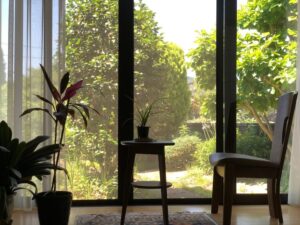
Comfortable seating area
If space allows, add a small comfy chair for reading or brief rest periods away from your desk.
Use scents or sounds
A subtle diffuser with relaxing essential oils or soft background music can create a peaceful ambiance.
8. Prioritise Organisation and Routine
A well-organised workspace supports productivity.
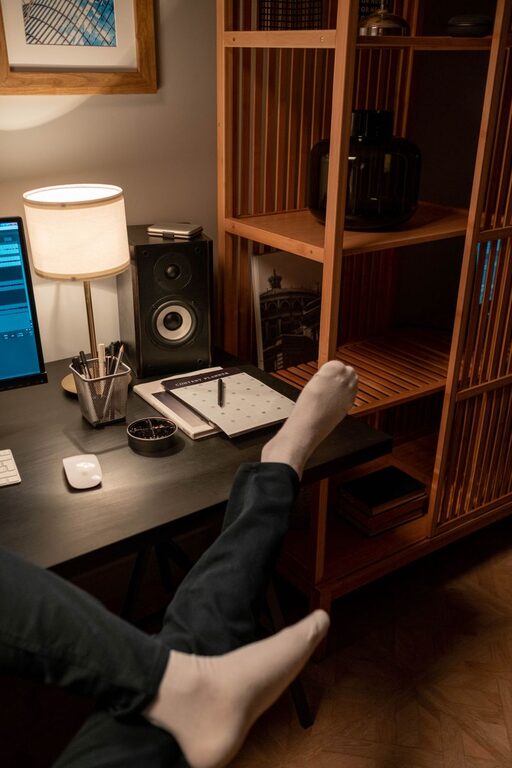
Use organisers and planners
Keep notebooks, calendars, or digital planners handy to track tasks and deadlines.
Daily tidying
Spend a few minutes at the end of each day to clear your desk and prepare for tomorrow.
—
By thoughtfully designing your home office with these tips, you can enjoy a space that helps you focus and feel calm throughout your workday. A well-considered environment supports your best work and overall wellbeing. Take time to personalise and adjust your space as your needs evolve to maintain an optimal home office setup.